
Announcement
We announce the passing of Jane Lazarre on
June 19, 2025. We deeply mourn the loss of Jane and celebrate her life.
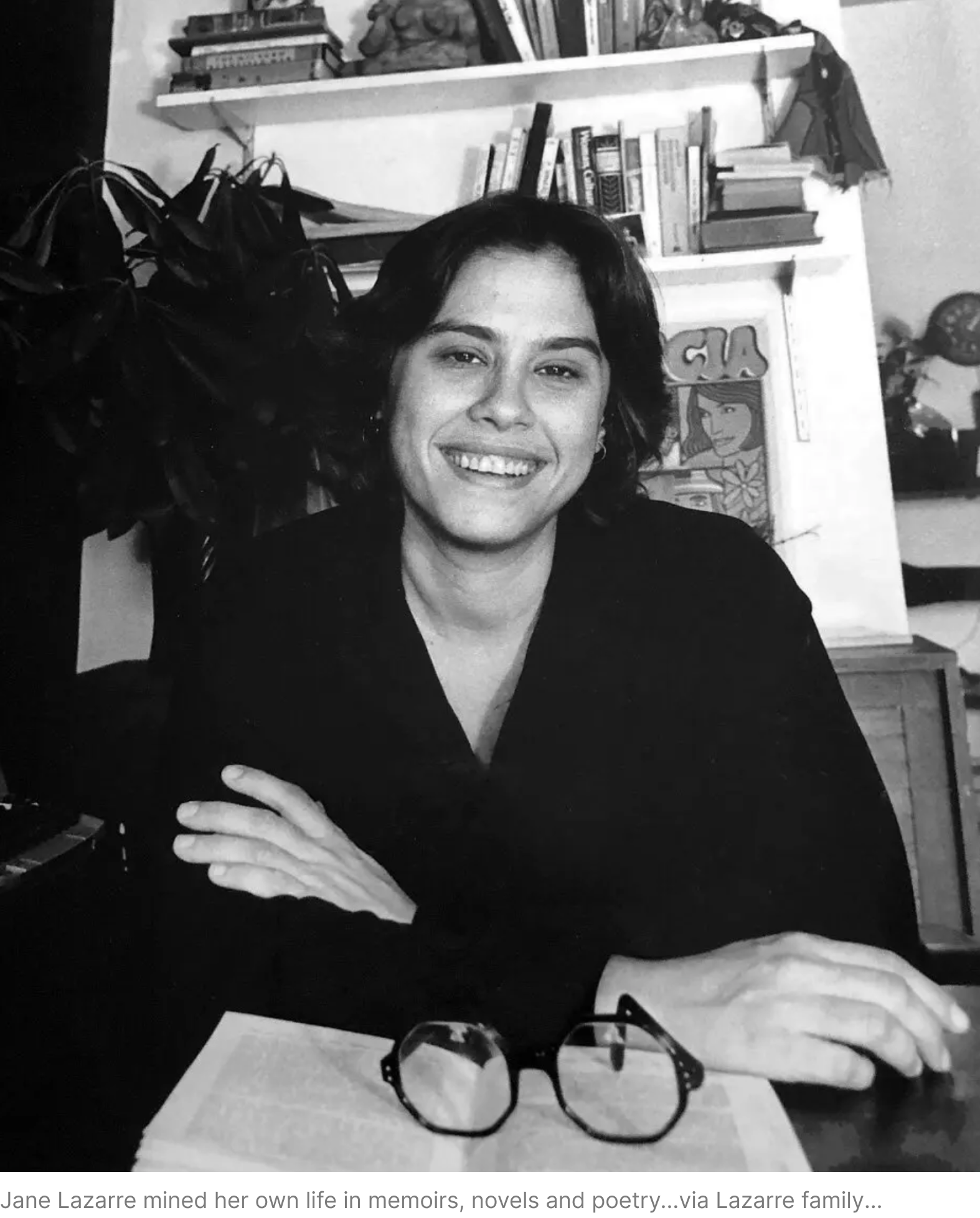
Jane Lazarre, Who Wrote About Motherhood and Race, Dies at 81
New York Times Obituary – July 10, 2025
With books like “The Mother Knot” and “Beyond the Whiteness of Whiteness,” she challenged liberal orthodoxies about feminism and the Black experience in America.
By Clay Risen
Her son Khary Lazarre-White said the cause was liver cancer.
Across memoirs, novels and books of poetry, Ms. Lazarre mined her own life, often with gut-wrenching
honesty, to explore the intersections of race, class and gender in late 20th-century America.
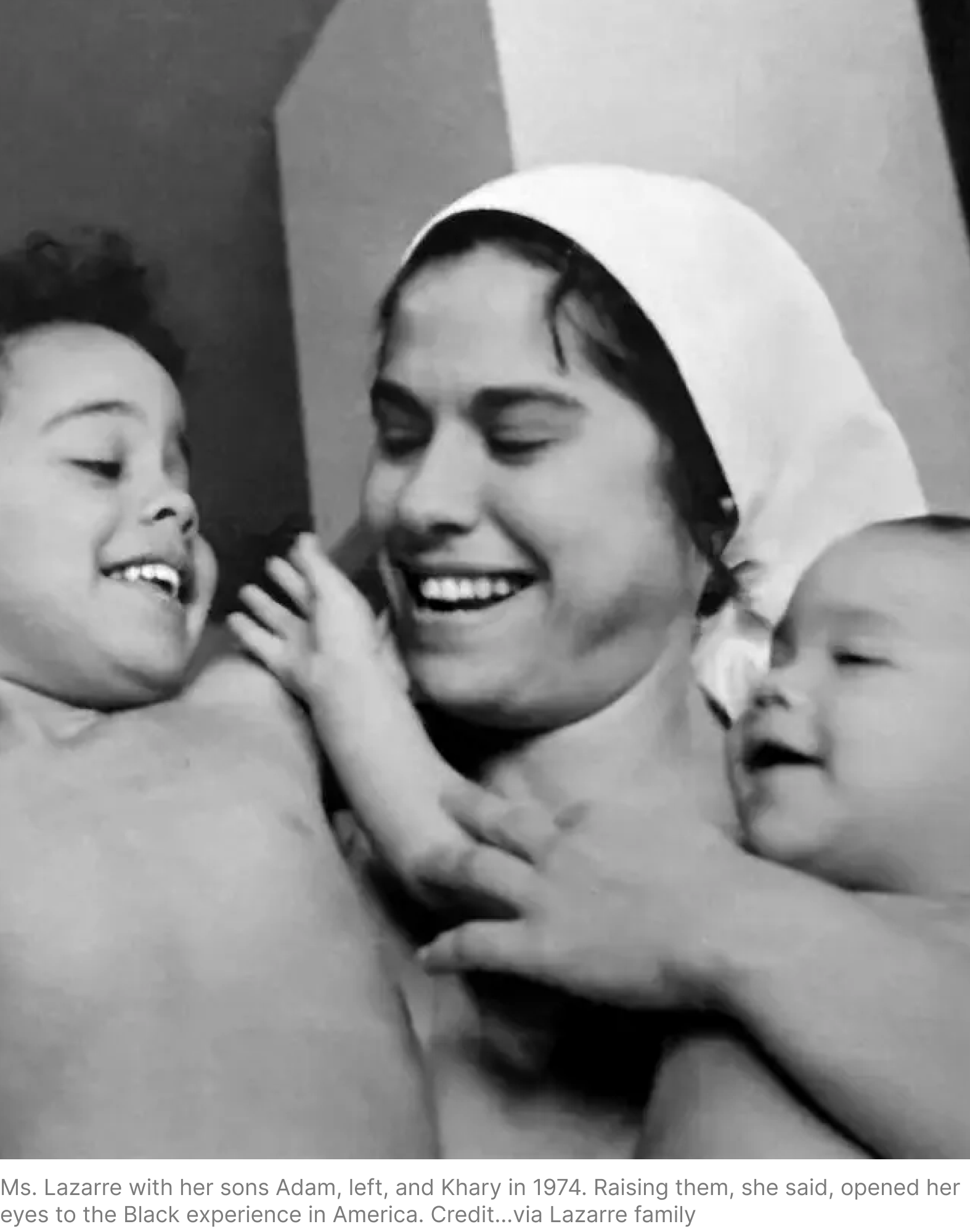
A red-diaper baby whose father was a leading figure in the New York State Communist Party, Ms. Lazarre grew up believing that there were few limits to what she could accomplish. But after marrying a Black lawyer and giving birth to two sons who identified — and were identified by others — as Black, she came up against the strictures and prejudices that affected women and people of color, even in supposedly enlightened places like New York.
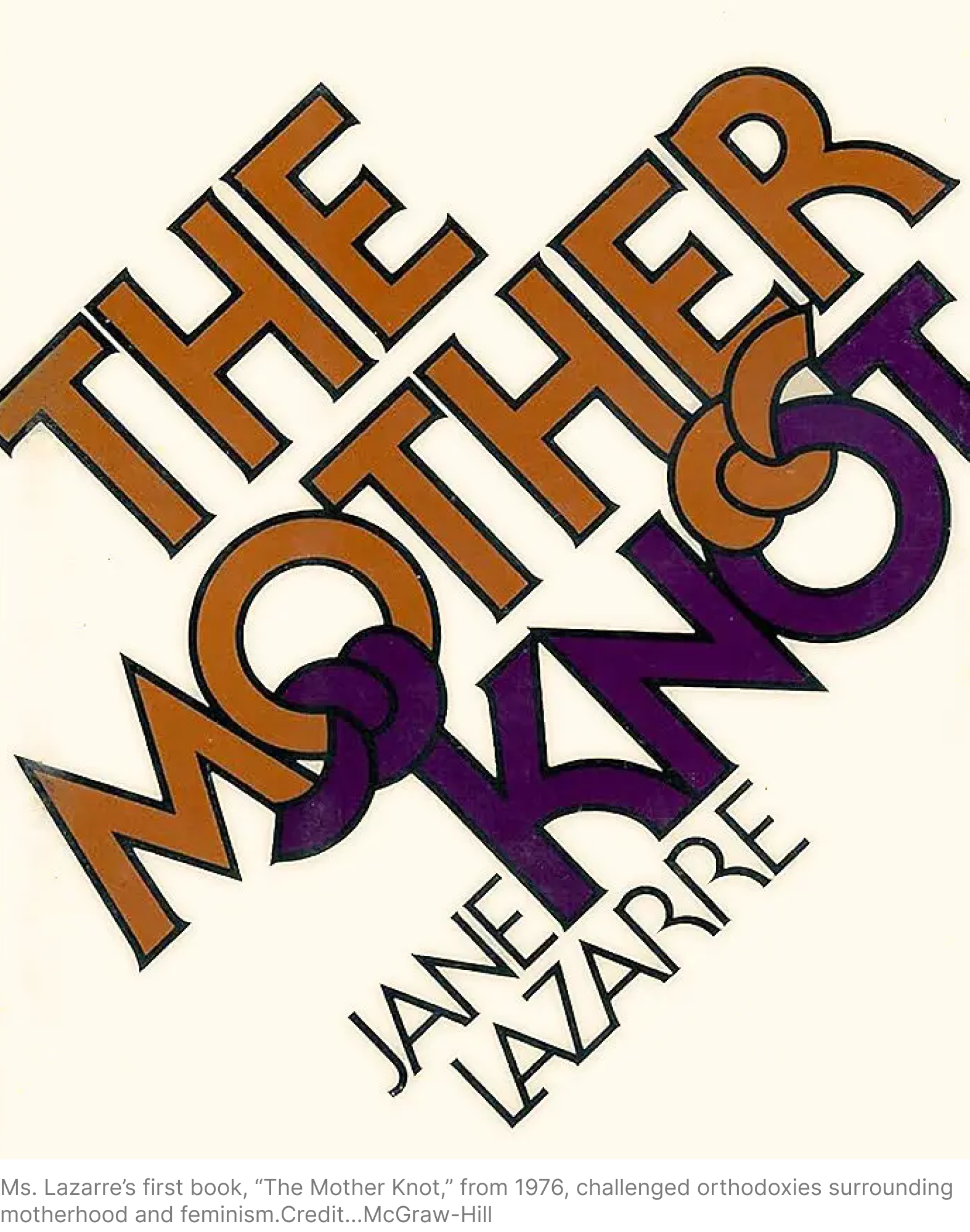
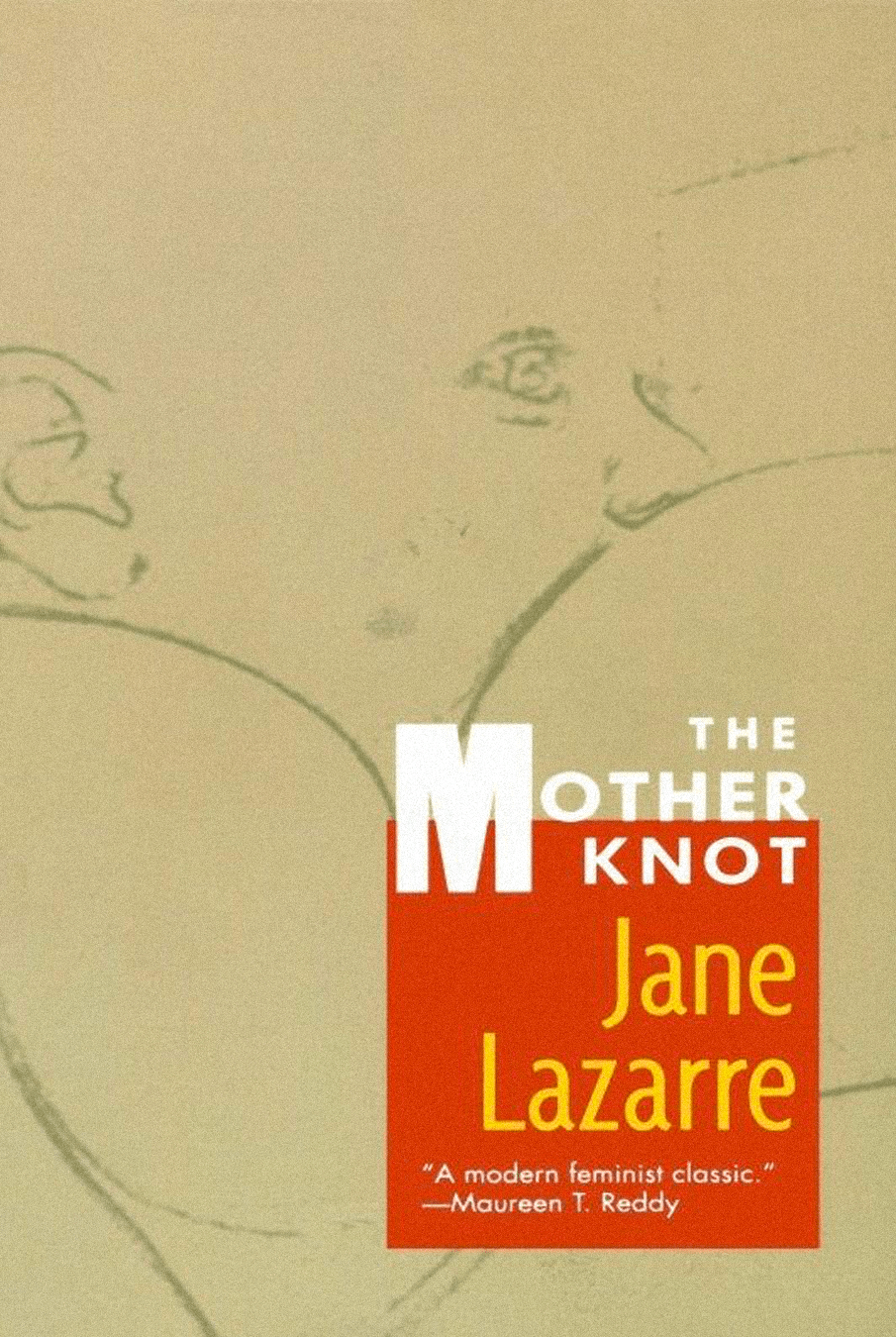
Her first book, “The Mother Knot” (1976), challenged two orthodoxies at once. On the one hand, she rejected the stifling assumption that motherhood was an all-encompassing, joyful experience, and the idea that moth-ers should willingly shed all other aspects of their identities to rear their children.
“The only thing which seems to me to be eternal and natural in motherhood is ambivalence,” she wrote in the book’s preface.
On the other hand, she took on the assertion of many feminists at the time that motherhood and freedom are incompatible, and that women’s liberation could not happen within the confines of traditional marriage and parenting.
“The ordinary idea of freedom was becoming less and less seductive to me, for freedom to do as I pleased meant doing without Benjamin,” she wrote, concealing the name of one of her sons with an alias.
“The Mother Knot” established Ms. Lazarre as a leading voice among second-wave feminists, a role she contin-ued to explore in books like “On Loving Men”(1980), a memoir about having an affair, and “Worlds Beyond My Control” (1991), a thinly veiled memoir-cum-novel about the struggles of being a writer and a mother.
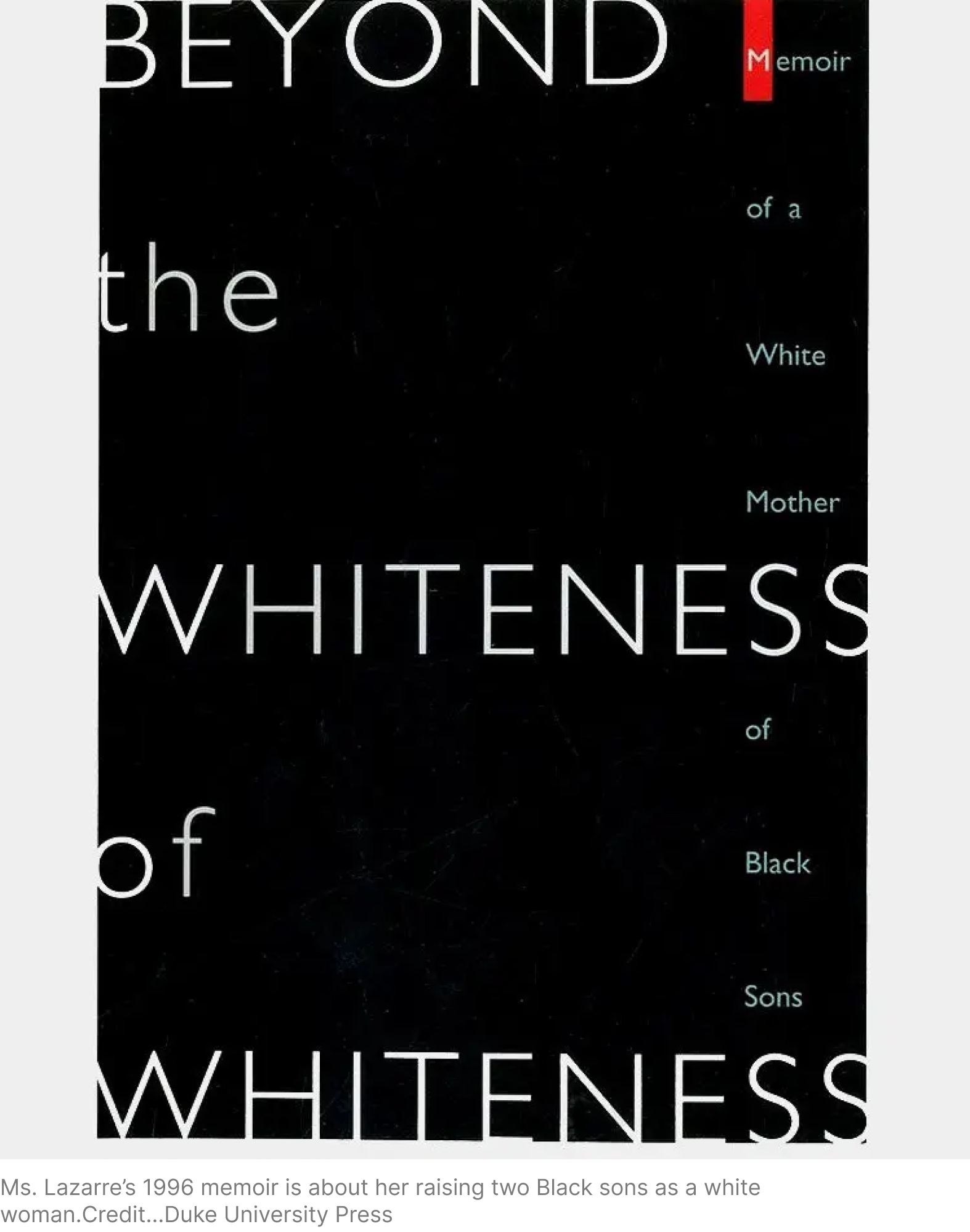
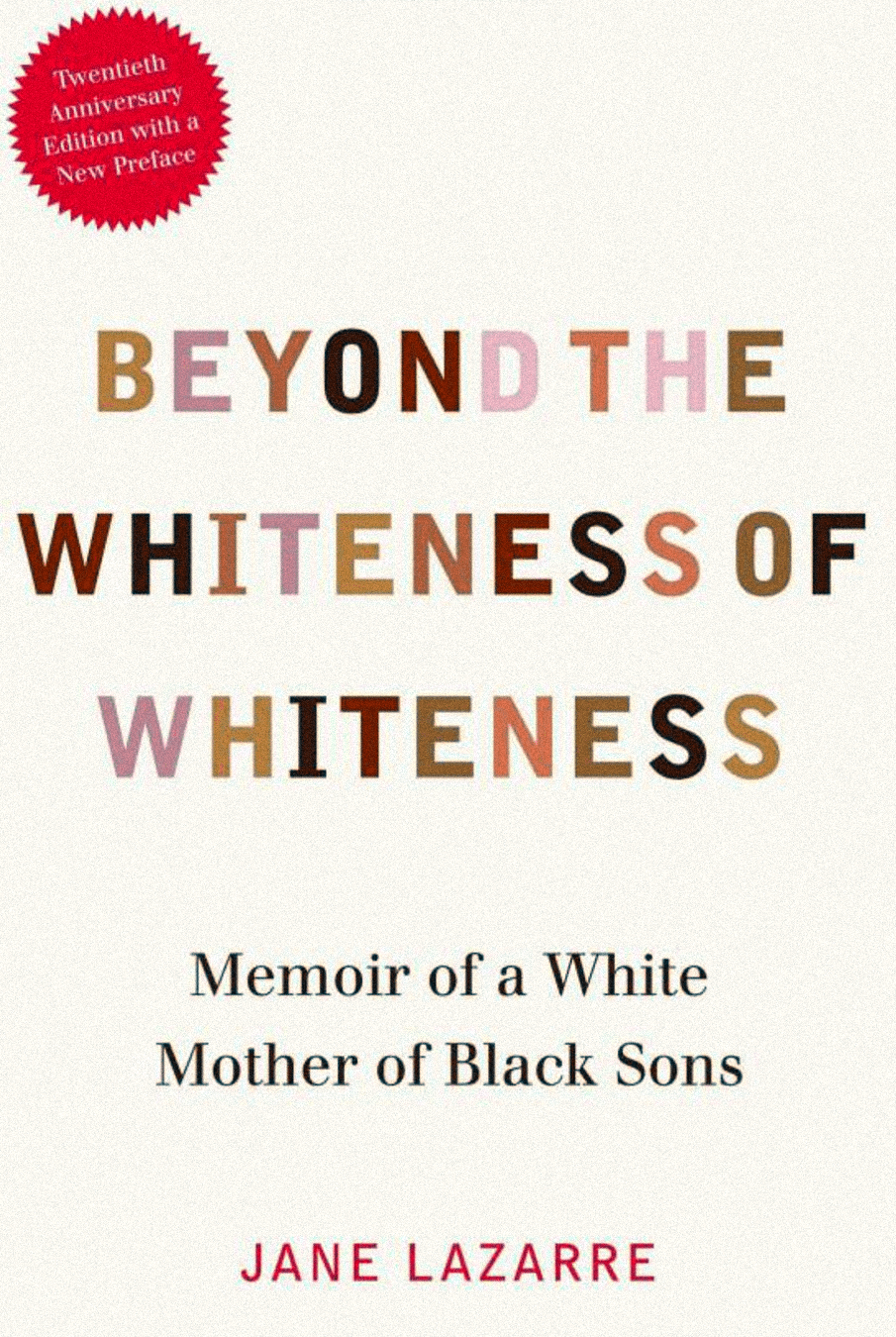
She entered yet another cultural debate in 1996 with “Beyond the Whiteness of Whiteness,” a memoir about raising two Black sons as a white woman.
Having grown up in a social milieu that insisted on colorblindness, and having made the assumption that post-civil rights America shared the same values, Ms. Lazarre was shocked to learn how little she understood about the Black experience.
In one passage, she reacts with disbelieving alarm when one of her son’s friends is detained by the police. “Unbelievable?” he responds. “Unbelievable, Mom? It happens to me all the time. If I’m not searched, I’m still stopped and questioned whenever I’m driving a decent-looking car.”
Just as “The Mother Knot” landed amid the social upheaval surrounding 1970s feminism, “Beyond the White-ness of Whiteness” arrived at a time when events like the Rodney King beating and the O.J. Simpson trial were calling into question America’s supposed racial progress.
Ms. Lazarre taught for decades at the Eugene Lang College of Liberal Arts at the New School in Manhattan, where she founded the undergraduate writing program. In her classes and faculty meetings, as in her books, she took on the received wisdom of well-meaning white people, pushing them to think deeper.
“Jane had a capacity to talk to white, intellectual, middle- and upper-middle-class people who thought they were pretty together about race,” Nancy Barnes, a close friend and former anthropology professor at the New School, said in an interview. “She was not afraid of speaking what she felt was her truth about anything.”
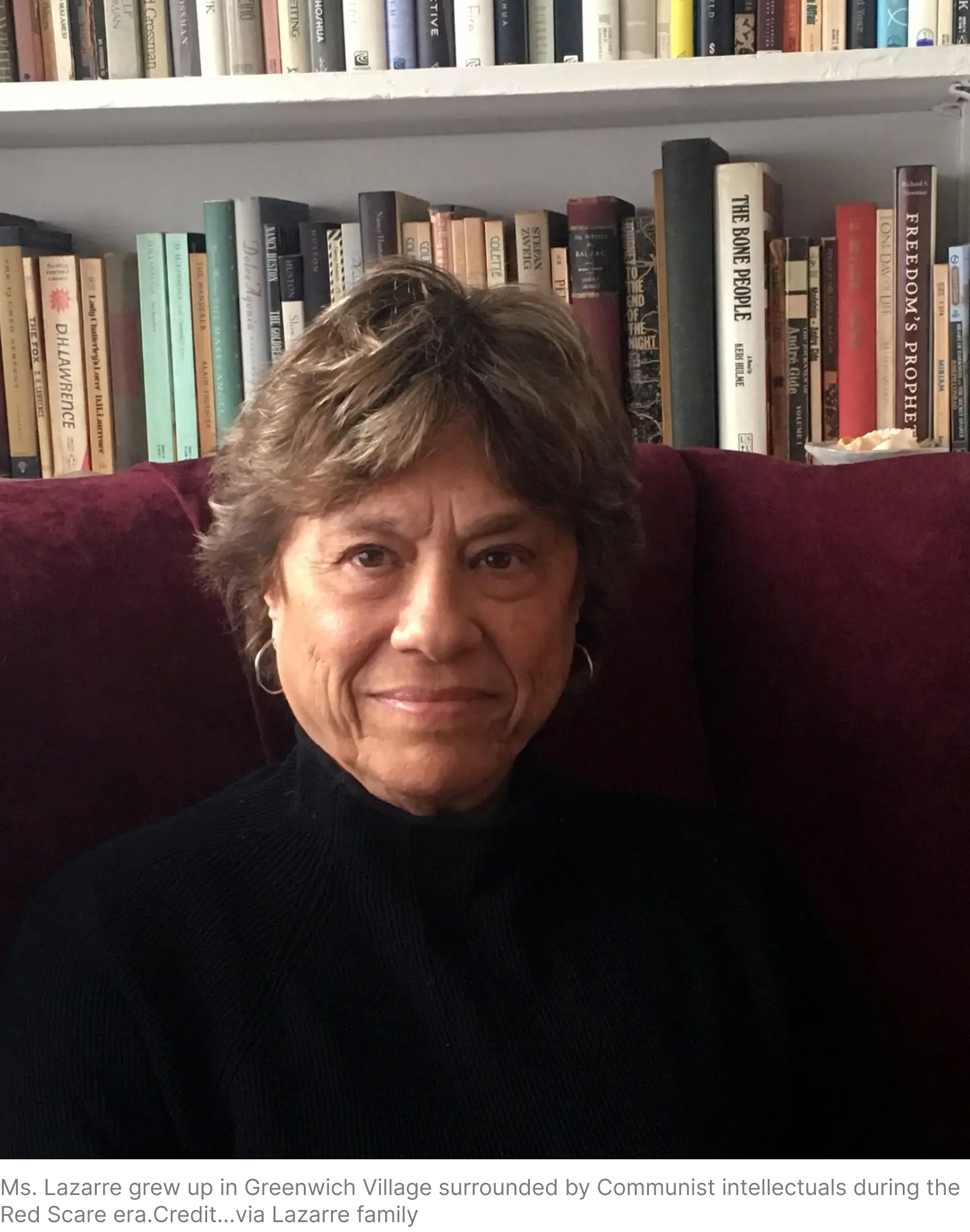
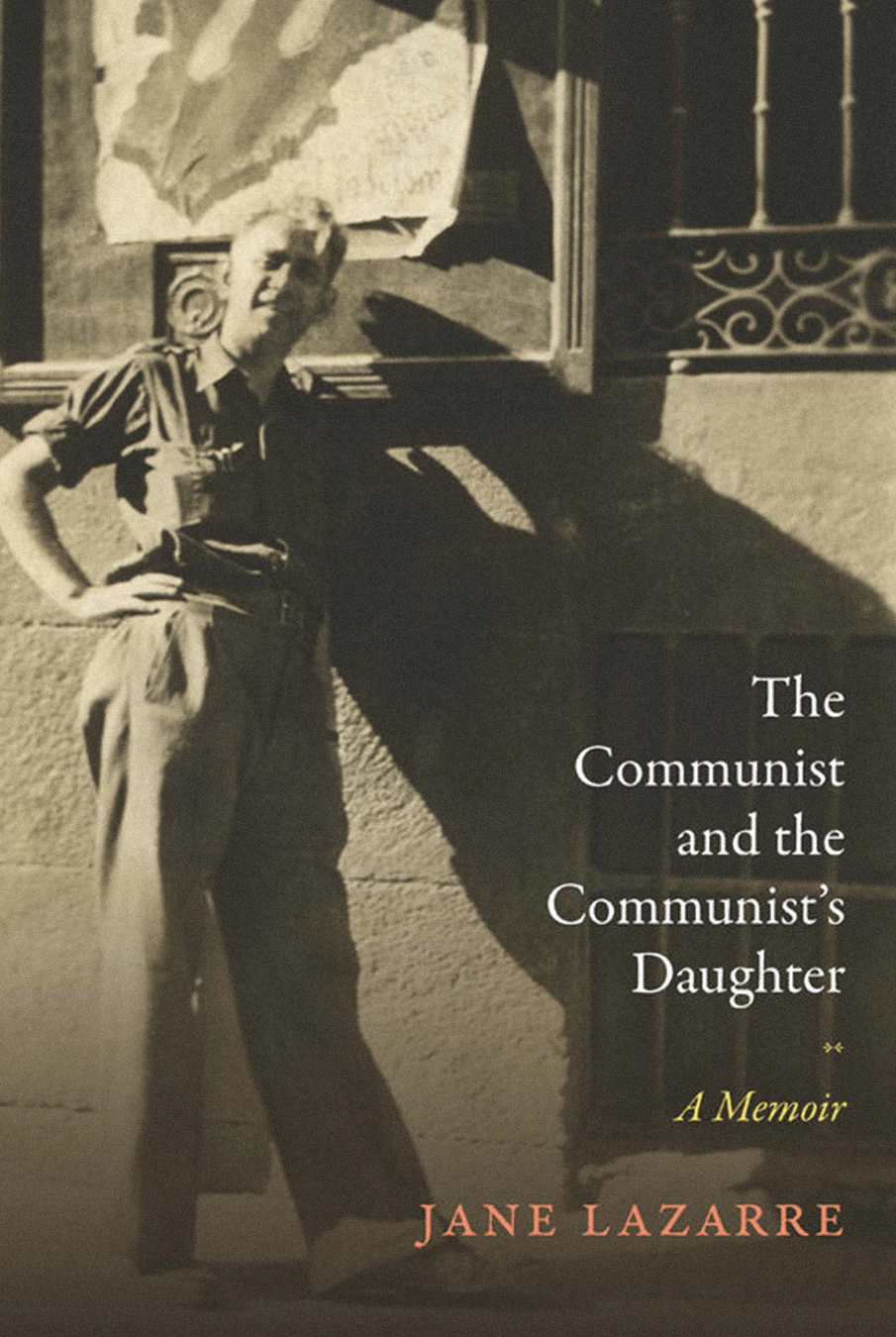
Jane Deitz Lazarre was born on Nov. 16, 1943, in Manhattan, spending almost her entire life in Greenwich Village. She grew up among the Communist intellectuals who gathered around her father, William Lazarre, a Jewish immigrant from Russia who fought with the Abraham Lincoln Brigade, a unit of American leftists, during the Spanish Civil War.
Her mother, Tullah (Deitz) Lazarre, was a buyer for Macy’s who died when Jane and her sister, Emily, were very young, leaving their father to rear them on his own — an experience Ms. Lazarre explored in another memoir, “The Communist and the Communist’s Daughter” (2017).
She graduated from the City College of New York with a degree in English in 1964 and received a master’s de-gree in anthropology from the New School in 1973.
She married Douglas White in 1968. In addition to their son Khary, he survives her along with their other son, Adam Lazarre-White; a sister, Emily Lazarre; and a granddaughter.
“The Mother Knot” has remained in print for nearly 50 years and has recently found renewed interest, especially in Spain, following its translation into Spanish in 2018.
“My life’s work has been to write memoir and fiction that is both literary and political,” Ms. Lazarre said in a 2018 appearance at the Center of Contemporary Culture in Barcelona. “The separation is a false one to me.”
Featured Books
The Communist and the Communist’s Daughter
Beyond the Whiteness of Whiteness
The Mother Knot
Videos
Jane Lazarre
Maternity, Activism and Democracy
Jane speaking in Barcelona at the publication of The Mother Knot in Spain, at the Open City Thinking Biennial about maternity, activism and democracy. Her books have been published in Spanish by Las Afueras and are read widely in Spain, Argentina, Mexico and Chile.
Reflections on Writing: An Approximation from Curative Narratives
Jane on a panel in Barcelona at the Open City Thinking Biennial speaking on writing and narratives.
Recent Blog
Farewell to Jane Lazarre
We are sad to learn of the passing of writer and teacher Jane Lazarre earlier this month at the age of 81. Lazarre was the author of several books with the Press. We first published Lazarre’s Beyond the Whiteness of Whiteness: Memoir of a White Mother of Black Sons in...
Jane Lazarre on How This Age of Crisis Affects Our Inner Worlds
Writer Jane Lazarre is no stranger to the pages of Lilith; an excerpt from her provocative and resonant novel, Inheritance, appeared in the Summer 2009 issue, and her memoirs The Communist and the Communist’s Daughter and The Mother Knot were both the subjects of...